Toll Road Smishing Scams in 2026: How to Spot Them
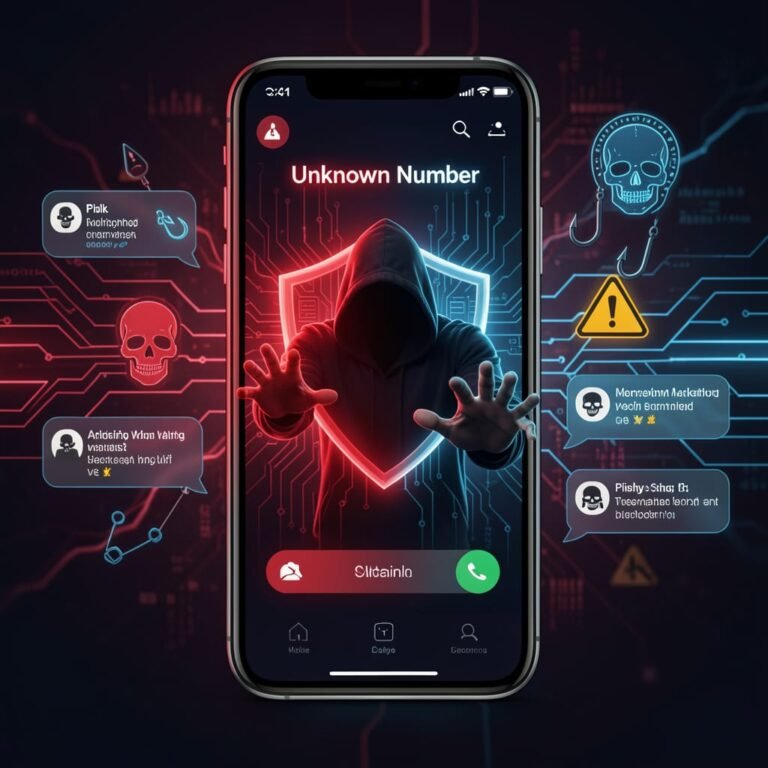
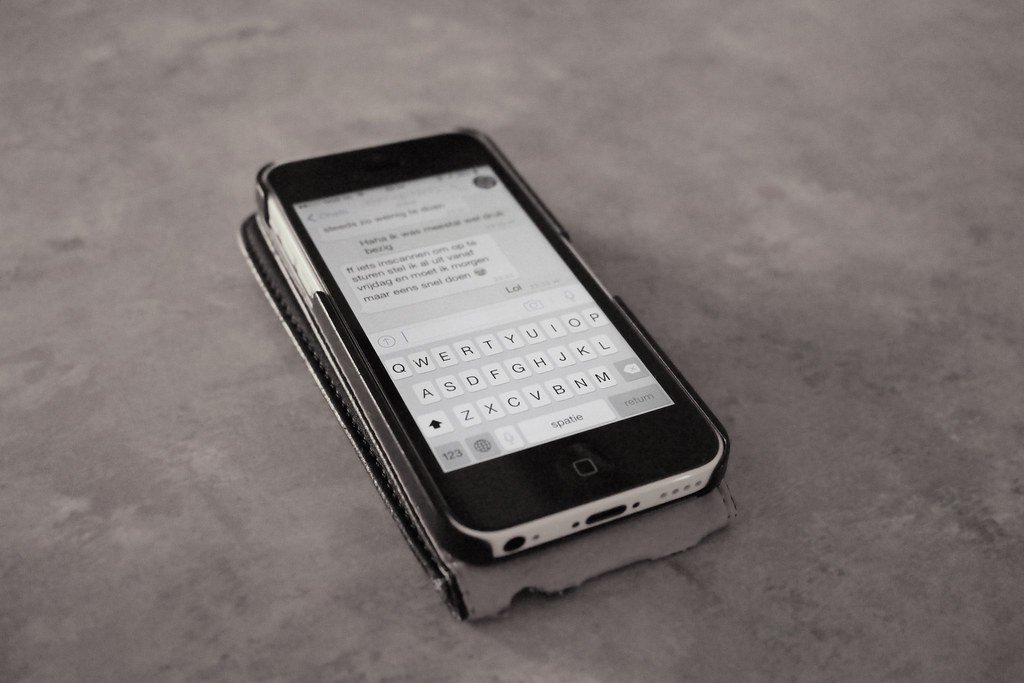
That little ding from your phone? It might say you owe $6.95 in unpaid tolls and your driver’s license will be suspended in 24 hours. The link looks like an E-ZPass or SunPass page. The urgency feels real. But almost every one of these messages is a scam.
Toll road smishing scams have become one of the most common — and most successful — consumer fraud schemes hitting U.S. phones in 2026.
The FBI has logged tens of thousands of complaints, criminals have registered more than 10,000 lookalike domains to power the campaign, and victims have lost hundreds of dollars at a time after typing card numbers into convincing fake portals.
The good news: once you know exactly how these texts work, they become easy to spot in seconds. This guide walks through what these scams look like in 2026, how the criminals get paid, the red flags hiding in plain sight, and what to do if you already tapped the link.
What Are Toll Road Smishing Scams?
Smishing is phishing delivered by SMS or iMessage. Toll road smishing scams are a specific flavor: criminals impersonate a toll authority — E-ZPass, SunPass, FasTrak, North Texas Tollway Authority, The Toll Roads of Southern California — and tell you that you owe a small unpaid balance, usually under $15.
The text includes a link to a polished fake portal that asks for your name, address, driver’s license, and a credit or debit card to settle the bill. Once you submit that information, the scammers either drain the card directly or sell the data to other fraudsters who use it for identity theft, account takeovers, and synthetic-identity loans.
The campaign is enormous. The FBI’s Internet Crime Complaint Center (IC3) issued a public service announcement on the toll smishing wave back in April 2024, and by 2026 the FBI estimates the operation has cycled through more than 10,000 lookalike domains across all 50 states.
Researchers tracking the infrastructure tie much of the activity to organized cybercrime groups operating from outside the U.S., often using Chinese-language “phishing kits” sold to lower-level operators. The result is a constantly rotating set of fake toll websites that disappear before takedown teams can act.
How the Toll Scam Actually Works
Understanding the mechanics makes the scam much less scary. Criminals follow the same playbook every time, and once you see the steps, you’ll recognize the next one in your inbox.
Step 1: Bulk SMS blast
Operators use stolen, leaked, or randomly generated phone numbers and blast millions of texts at a time using disposable SIMs, hijacked carrier APIs, and overseas SMS gateways. Targeting is usually broad — not personal — which is why people get toll texts even if they live in a state with no toll roads.
Step 2: Fake authority and urgency
The text uses a real-sounding agency name, a small dollar amount that feels worth paying to make the problem go away, and a hard deadline. Common phrasings in 2026 include “Final notice before license suspension,” “Pay within 12 hours to avoid late fees,” and “Your vehicle is flagged at toll plaza.”
Step 3: Lookalike domain
The link points to a domain that looks plausible at a glance — ezpass-billing.com, sunpass-payments.org, etoll-services.us, e-zpassny.help. Real toll authorities use very specific .gov, .com, or state-level domains; anything else is suspect. Many fake sites also use subdomains stuffed with the agency name, like ezpass.account-support[.]com, to fool quick scanners.
Step 4: Credential and card harvest
The fake portal mimics the real toll site’s logo, colors, and navigation. After you enter your name and address, it asks for a payment method. Some sites add a second step requesting a one-time SMS code — that code is usually being relayed in real time to the criminals so they can authorize a separate, larger transaction on your card.
Step 5: Cash-out
Stolen cards are tested with small charges, then used for high-value purchases at retailers with weak fraud controls or sold on dark-web carding markets. Identity data is bundled and sold separately for use in account takeovers and loan fraud, which is why the impact often outlasts the original $6.95 charge by months.
Real 2026 Examples to Recognize
Pattern recognition beats memorization. Here are the message templates U.S. consumers are seeing right now:
- The license-suspension threat: “NTTA Final Notice: You have an unpaid toll of $4.38. To avoid a $50 late fee and license suspension, pay at: nttatoll[dot]vip/pay”
- The friendly nudge: “Hi, this is E-ZPass. We noticed your account has a small balance of $6.95. Settle quickly here: ez-pass-secure[dot]com”
- The plate-flagged version: “FasTrak Notice: Your license plate has been recorded at multiple unpaid toll points. Resolve now: fastrak-billing[dot]top”
- The iMessage variant: Sent from an Apple ID rather than a phone number, often something like [email protected], asking you to reply “Y” first to enable the link — this dodges Apple’s automatic link blocking for unknown senders.
Notice the patterns: small dollar amount, ticking clock, weird domain extension (.vip, .top, .help, .us, .info), and a brand name jammed into the URL in a place where a legitimate toll authority would never put it.
How to Spot a Fake Toll Text in Seconds
You don’t need to be a security analyst. Run any toll text through this five-question check before you tap anything.
- Did you actually drive on a toll road recently? If you live in a state with no tolls and you’ve been nowhere near one, the answer is obvious.
- Does the sender look like a real agency? Real toll notices come by mail or from your registered account, not from a random 10-digit number, a foreign country code, or an iCloud email.
- Is the URL legitimate? Hold-press the link (don’t tap it) to preview it. Real domains for major toll authorities end in clean addresses like ezpassny.com, sunpass.com, thetollroads.com, or a state .gov domain. Treat .vip, .top, .help, .support, or any unusual extension as a red flag.
- Is the dollar amount tiny and the deadline tight? Toll smishing scams almost always pair small charges with severe-sounding consequences. That combination is the entire psychological hook.
- Does it ask for a card number directly in the text’s page? Real toll authorities make you log in to an existing account first or send you to a clearly branded payment portal that you can also reach by typing the URL yourself.
If even one answer feels off, delete the message. You can always check your real toll account by opening your toll provider’s app or typing the official URL into your browser. Our guide on the dangers of responding to unfamiliar numbers walks through the same logic for any unexpected message, not just toll scams.
What to Do If You Already Clicked or Paid
Mistakes happen. If you tapped the link, entered information, or paid the “toll,” speed matters more than embarrassment. Work the list below in order.
- Stop the bleeding on the card. Call your bank or card issuer using the number on the back of the card and ask them to freeze the card and reissue it. Mention smishing so the dispute is coded correctly.
- Lock down accounts that share that card or password. If you reused a password on the fake site, change it everywhere you used it and turn on multi-factor authentication. Banks, email, and your toll account itself are first priorities.
- Place a fraud alert or credit freeze. Free at all three credit bureaus (Equifax, Experian, TransUnion). A freeze blocks new credit accounts being opened in your name with the data the scammers harvested.
- Report the scam. File at the FBI’s Internet Crime Complaint Center (IC3) and forward the original text to 7726 (SPAM) on most U.S. carriers. Reports help carriers block lookalike numbers and feed FBI takedown work.
- Watch for follow-up scams. Once your number is on a “known clicker” list, expect more attempts — often impersonating your bank’s “fraud department.” Treat any inbound call or text about the incident as suspicious.
If you’re unsure whether a particular message is a scam at all, you can run it through tools like our Scam Detector App walkthrough for a sanity check.
How to Lock Down Your Phone Going Forward
You can’t stop scammers from sending texts, but you can make it almost impossible for one to fool you.
Turn on built-in spam filtering
iPhone: Settings > Messages > Filter Unknown Senders. Android: open Messages, tap the menu, choose Spam protection. Both move texts from unknown numbers into a separate folder where links are disabled by default.
Enroll in real toll provider alerts
Log in to your toll authority’s real website or app and turn on email or app notifications for low balances. Once you have a verified channel, an unexpected SMS becomes obvious.
Use a password manager and unique passwords
If you reused the password you typed into a fake toll site anywhere else, you’ve handed scammers the key to that account too. A password manager generates and remembers unique passwords for every site, so a single phishing slip stays contained.
Slow down before you tap
Almost every smishing scam runs on speed and panic. Train yourself to wait sixty seconds before responding to any message that demands money or threatens consequences. Test your reflexes with the Scam Detection Challenge or our Cyber Trivia Game — both walk through real scam patterns and reward careful thinking.
The Bottom Line
Toll road smishing scams work because they pair a small, plausible bill with the threat of a big consequence and a link that looks just close enough to the real thing. None of that survives a calm 30-second look at the sender, the URL, and your actual driving history.
If a text claims you owe a toll, never pay through the link; open your toll authority’s official app or website yourself, log in, and check your real balance. If there’s nothing owed, delete the text and forward it to 7726.
If you already paid, freeze the card, change shared passwords, set up a credit freeze, and file with IC3.
The criminals are organized, but the defense is simple: pause, verify, and never let a stranger’s urgency rush you. For more practical scam-spotting drills, take a look at our other guides on protecting your personal data and subscribe so the next scam alert lands in your inbox before it lands on your phone.